
Three advantages of laser cutting machine
Release time:
Mar 13,2024
The laser cutting machine industry is developing in the direction of high speed, high efficiency and high quality. The cutting head of the laser cutting machine can realize the rapid positioning and high-speed cutting processing of metal materials, greatly improving productivity.
The laser cutting machine industry is developing in the direction of high speed, high efficiency and high quality. The cutting head of the laser cutting machine can realize the rapid positioning and high-speed cutting processing of metal materials, greatly improving productivity. In addition, it can also be used in conjunction with automatic loading and unloading to realize the automation of metal cutting processing. Only one machine tool is needed to continuously process multiple processes, which reduces labor costs and improves production efficiency. The advantages of laser cutting machines are mainly three advantages.
The three major advantages of laser cutting machines:
1. High flexibility
The processing of parts on laser cutting machines mainly depends on processing drawings. It is different from ordinary machine tools. There is no need to manufacture and replace molds, fixtures and special auxiliary devices. Once the debugging is completed, there is no need to adjust the machine tool frequently. Therefore, the laser cutting machine is suitable for mass production, that is, it is suitable for the production of single-piece and small-batch products and the development of new products, thereby shortening the production preparation cycle and saving a lot of process equipment costs.
2. High processing accuracy
The processing accuracy of the laser cutting machine can generally reach 0.05-0.1 MM. The laser cutting machine is a machine tool controlled by a CNC system. The positioning accuracy of the workbench determines the repetitive accuracy of the cutting. The smaller the spot after the laser beam is focused by the focusing lens, the higher the cutting accuracy, especially for small incisions, the minimum spot can reach 0.01mm. Therefore, the positioning accuracy of the laser cutting machine is relatively high.
3. Stable and reliable processing quality
When processing the same batch of metal materials, under the same processing conditions, the cutting quality of the traditional process and the laser cutting machine is different. The main reason is that the laser cutting machine is a non-contact processing technology. Good performance and stable quality.
4. High productivity
The laser cutting machine, due to its fast running speed, can effectively reduce the processing time and auxiliary time of the workpiece. The laser cutting machine has a large processing range, which allows the cutting head to move and cut in a larger range, effectively reducing the loading and unloading time, and can be equipped with an automatic loading and unloading device to further improve production efficiency.
NEWS
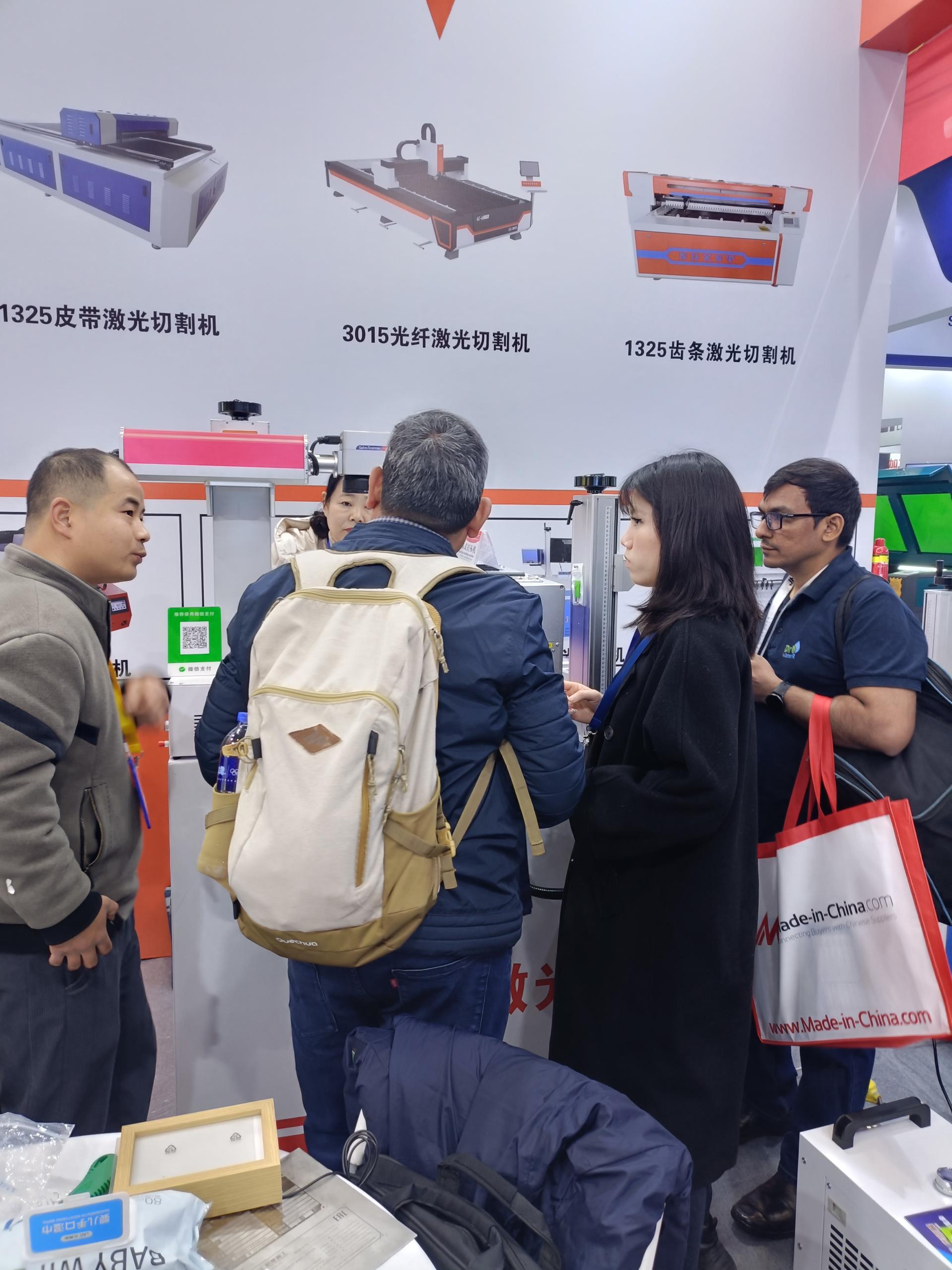
Participate in the 2025 Shanghai International Printing Exhibition from March 4th to March 7th, 2025
Participate in the 2025 Shanghai International Printing Exhibition from March 4th to March 7th, 2025
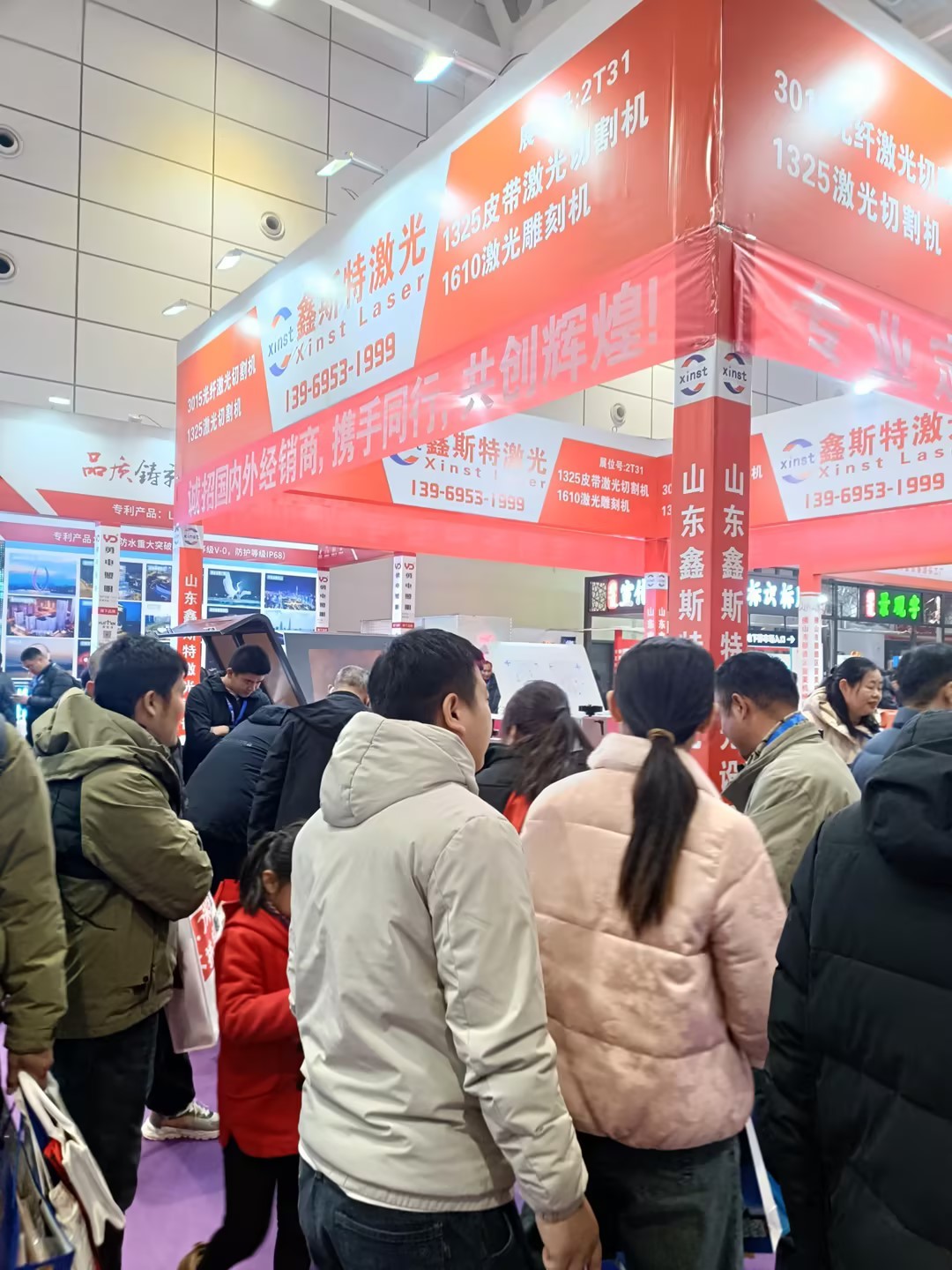
Xinst Laser will participate in the 2025 Jinan International Advertising Exhibition from February 22nd to 24th, 2025
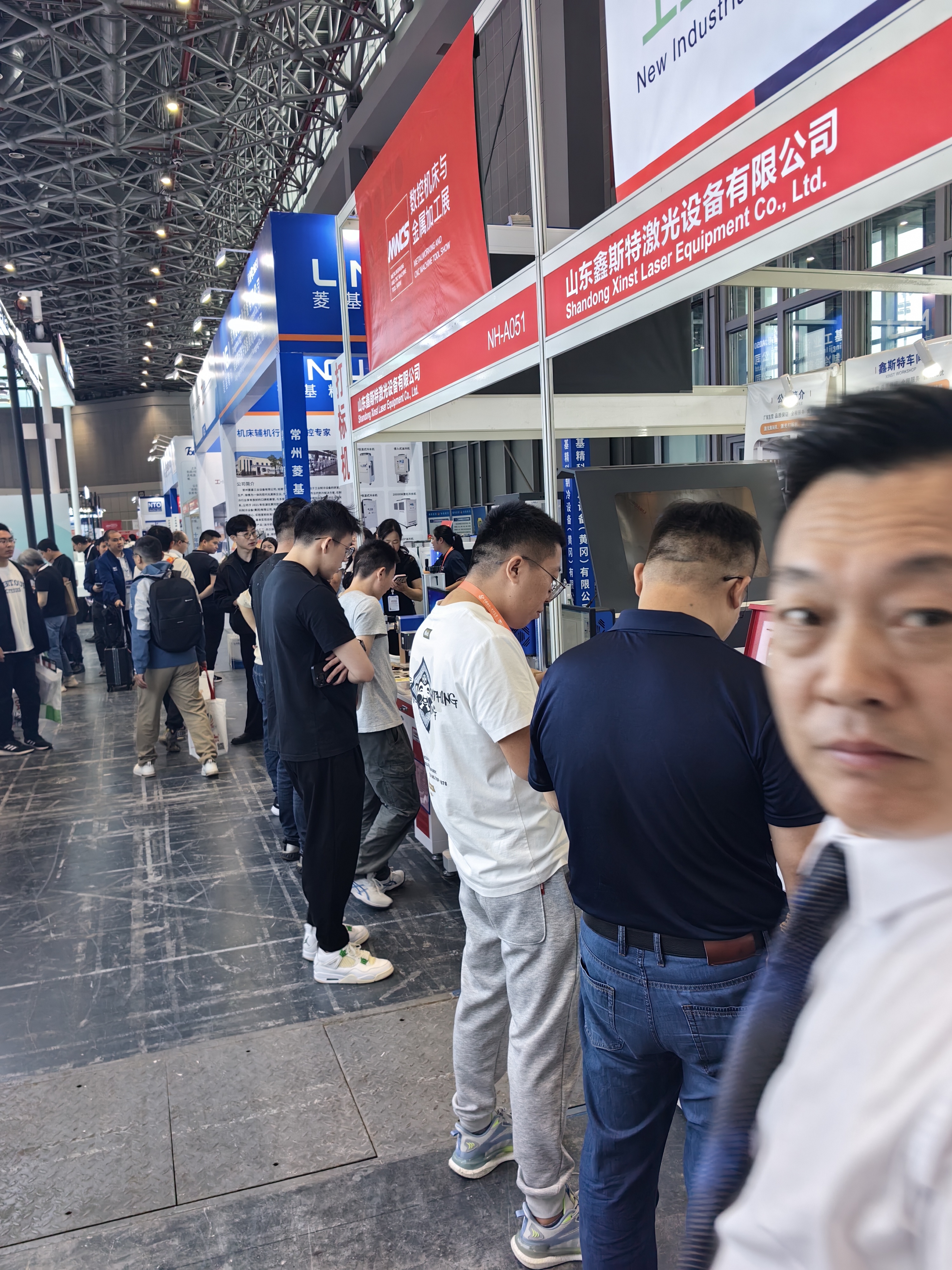
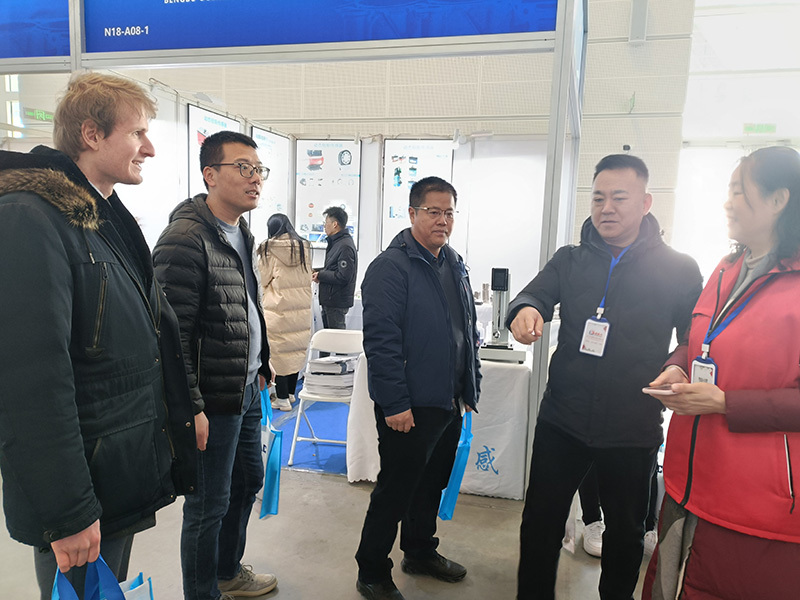
Sand mold cutting has a wide range of adaptability, and can be used for small and large pieces, simple and complex pieces, single pieces and large batches. Sand molds are more refractory than metal molds, so materials with higher melting points such as copper alloys and ferrous metals also use this process.
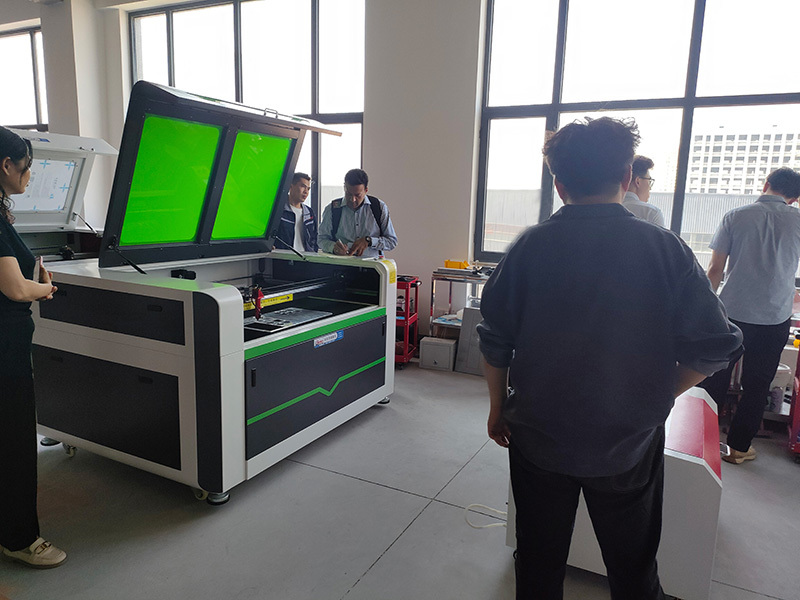
Metal cutting types and molding methods are usually divided into: Ordinary sand cutting, including wet sand, dry sand and chemical hardening sand.
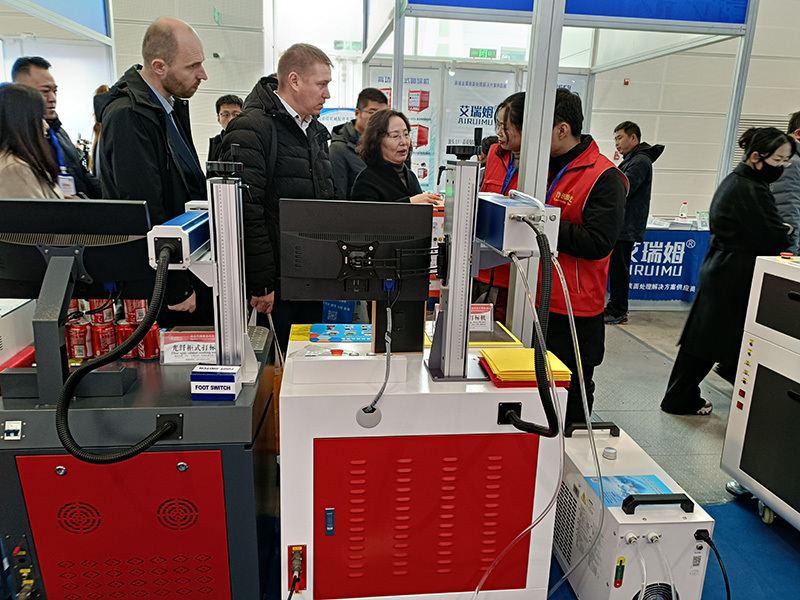
When using metal cutting, the following factors must be considered comprehensively
In ancient times, China, India, Babylon, Egypt, Greece and Rome had already cut weapons, sacrificial vessels, artworks and household appliances. Early castings were made of gold, silver, copper and their alloys. The Bronze Age was a glorious page in the history of human civilization; later, cast iron parts appeared.
Contact us
Mobile/Wechat:86-19706351117
Tel:86-400-0635-629
E-mail: 19706351117@163.com
WhatsApp: 8619706351117
Add: Room 1002, 10th Floor, No.11 Office Building, No.11 Huajian Block, Changjiang Road, Jiuzhou Street, Gaoxin District, Liaocheng City, Shandong Province, P.R. China
Scan Contact